
How to Find Tenants (10 Best Ways)
Vacancies can wipe out a landlord’s cash flow, so limiting them is key to your success. If you want to know how to find tenants for your rental...
5 min read

Want to be a real estate investor but not a landlord? A property manager can oversee your rentals, lighten your workload, and help you scale your portfolio faster. In this article, we’ll show you how to hire a property manager, the pros and cons of having one, and one way to get built-in property management for your next rental property!
Summary:
Browse cash-flowing turnkey rental properties with property management in place!

A property manager is someone who handles much of the day-to-day operations of running a rental property. Landlords will often hire property managers to save time, but great property managers run the rentals even better than the average landlord due to better tenant screening, optimized rent increases, and expedited maintenance. As a landlord, you should expect to pay a property manager roughly 8% - 10% of the monthly rent.
A great property manager will make your life easier while also taking better care of your property. Some of their responsibilities include the following:
Not every landlord needs a property manager, but hiring one is often the right move in any of these circumstances:
Property management involves everything from communicating with tenants to collecting rent. If you work a busy W-2 job (or multiple jobs), you might not have the time to keep up with your property’s day-to-day tasks.
The more properties you add to your portfolio, the more difficult it becomes to tend to all of them. This is especially true if you’re investing remotely or have properties spread out across different markets.
If you’re approaching retirement age (or early retirement), the last thing you want is another job. With a property manager overseeing your rentals, you’ll have much less stress and more passive income in retirement!
Most investors don’t want to screen tenants, chase down rent payments, or take calls at 2 AM. If you don’t have the bandwidth, skills, or desire to manage rental properties, outsource it to someone who does.
Finding the right property manager can be a challenge, but if you buy a newly built or renovated turnkey rental, this is a non-issue. Rent to Retirement has turnkey properties for sale that come with trusted property managers (and often tenants) in place. This means that when you close, someone is already handling all of your property’s activities for you—communicating with tenants, collecting rent, and more!

Want to make sure you hire the best possible property manager for your rentals? Here are eight tips to help you make the best choice:
One of the best ways to find property managers is to ask other investors for recommendations. Check the BiggerPockets forums, Reddit, and Facebook groups, or talk to other investors at local meetups and other networking events.
Title companies, contractors, and local vendors work with many investors, which means they often have rolodexes full of great agents, lenders, and property managers. Call around and ask for their best recommendations!
You can learn a ton about a property manager from their online reviews. Start with Google, Yelp, and other popular review sites, but also scour Reddit and other forums to ensure they’re legitimate!
Call the property manager’s leasing line as a tenant to schedule an appointment or showing. This will give you a better idea of whether they’re professional, communicative, and responsive.
Never hire a property manager without an interview! Confirm that they manage your type of property, and ask other questions like:
Don’t rush your interviews! Some take 30 minutes to an hour to go in-depth and gather the information you need to make the right decision.
Skip the hassle of finding a property manager! Many turnkey rentals come with property management in place!
This essential document provides the landlord with information about their property’s monthly financial and operational performance. If the property manager doesn’t have one, or if it’s sloppy, run!
Property managers should be incentivized to retain tenants, not get them out so they can charge a turnaround or marketing fee. Comb through their fee schedule to ensure they aren’t nickel-and-diming you for every process.
Regardless of who you hire, it’s wise to start with one property. As the property manager proves they’re the right fit, you can add more properties to their plate.
Thinking about hiring a property manager? Carefully weigh the pros and cons beforehand.
Many investors prefer to have a property manager oversee their rentals for these reasons:
Hiring a property manager isn’t always the right move. Consider the following drawbacks:
Don’t want to go through the trouble of finding, vetting, and hiring a property manager yourself? Rent to Retirement has turnkey rentals for sale, with fully vetted property managers already in place. This means that you’re not only getting a newly built or renovated rental property but also a professional to oversee it for you.
To hire a property manager, you’ll want to search for the top options in your market and ask other investors for recommendations. Once you have a few options, conduct in-depth interviews with questions that will help you determine whether they’re the right fit.
Investors should expect to pay their property manager roughly 8%-10% of the monthly rent. However, fee structures vary from one property manager to the next, so make sure you’re comfortable with the entire fee schedule before committing to one.
Hiring a property manager is often worth it, especially if you have little desire or capacity to manage the property yourself. If you’re investing out of state, a property manager is often a necessity!

Vacancies can wipe out a landlord’s cash flow, so limiting them is key to your success. If you want to know how to find tenants for your rental...
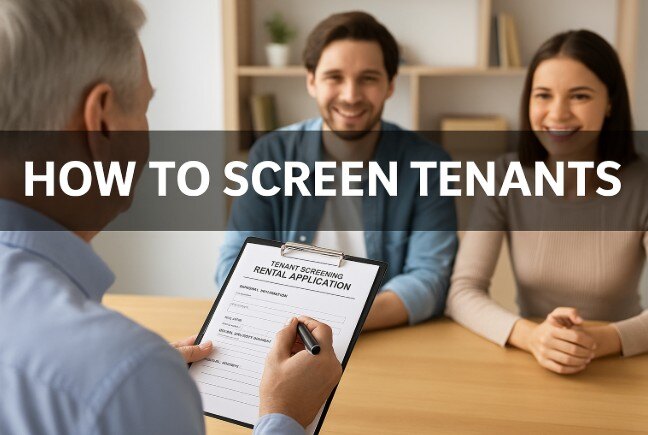
Looking for high-quality, long-term tenants for yourrental property? Tenant screening is an essential skill every landlord must either master or...

The biggest reason people opt out of having a property manager is the cost of utilizing their services cuts into your monthly cash flow.