
What Does a Property Manager Do? (Responsibilities + Fees)
The biggest reason people opt out of having a property manager is the cost of utilizing their services cuts into your monthly cash flow.
6 min read
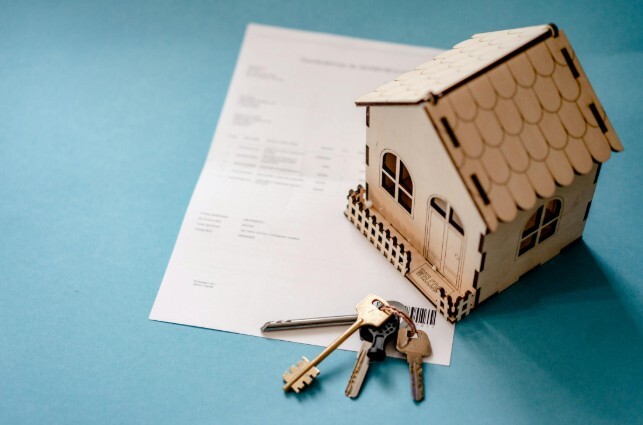
Don’t have the time, patience, or passion to self-manage your rental properties? A property manager could relieve this pain point and help you create more passive income, but is property management worth it? In this article, we’ll share the pros and cons of hiring a property manager so you can make the right choice for your rental property!
Summary:
Property management is the process of operating and maintaining a rental property, typically by a third-party management company on behalf of an investor. The property manager is the “middleman” between investor and tenants, ensuring the property runs smoothly and (ideally) stays profitable.
Property management duties largely depend on your agreement and how involved you want to be with your rental property, but common responsibilities include:
Browse turnkey rentals with property management already in place for headache-free cash flow!

Many investors prefer giving the reins to a property manager due to the following:
Many investors want their rental properties to produce “passive” income while they focus on their careers (or retirement!). A property manager gets you closer to that goal by handling communication, tenant screening, evictions, and other time-consuming tasks!
Don’t want to deal with tenant requests or 2 AM emergency calls? A property manager handles this for you, becoming the middleman between you and your tenants.
An extended vacancy can wipe out your cash flow and put your rental property in the red. A property manager strategically coordinates move-ins and move-outs to ensure your property stays rented.
An experienced property manager knows the neighborhood, including tenant demand and market rents. What’s more, they often have their own network of trusted vendors, contractors, and other resources!
Good property managers use market data, pricing strategies, and marketing expertise to calculate rent and maximize your income.
Outsourcing property management isn’t the right choice for all investors. Here are a few potential drawbacks:
While fees vary by company and the size of your property, most property managers charge a percentage of the total rents each month—usually around 8%-12%. They may also charge one-time fees for new tenants, renewals, or evictions.
Hiring the wrong property manager can lead to disgruntled tenants, deferred maintenance, and other issues. Rent to Retirement works with local property managers that have been carefully vetted, so you can be sure you’re getting a quality manager with your next turnkey property!
Using a property manager (effectively) requires you to relinquish some control of your property. This works in your favor if you don’t want to communicate with tenants, collect rent, or handle maintenance.
Rent to Retirement screens top property managers for our turnkey rentals so you don’t have to!

Like any other profession, the property manager you hire makes all the difference. Many property managers sneak in hidden fees, have poor tenant screening, or are slow to respond. This is why Rent to Retirement vets property management partners before bringing them on to manage our turnkey rentals. Investors are left with a more passive investment instead of scrambling for another manager!
Unless you’re buying a select turnkey rental property with it included, property management isn’t free! Fees may vary, so make sure you understand the property manager’s full fee structure before hiring them.
Most property managers charge a recurring fee for their basic services. For long-term rentals, this is usually around 8%-12% of the total rents collected each month.
The lease fee helps the property manager cover marketing, background checks, and the other costs of processing applications. The property manager may charge a flat fee or a percentage of the rent (often one month).
The eviction fee helps cover the property manager’s costs (and time) associated with filing paperwork, coordinating with attorneys, and even appearing in court. This does not include attorney fees and other eviction costs.
The renewal fee incentivizes renewals (less turnover) and covers things like paperwork and tenant communication. It may be charged as a flat fee or a percentage of the rent, but it is usually less than the leasing fee.
Property management costs vary based on the type, age, and size of your property. Long-term rentals tend to have much lower fees than mid-term rentals and short-term rentals. Older properties may have higher management costs than newer or turnkey rentals, as they often require more maintenance. Some property managers charge a lower percentage if you own a larger number of units, and if you have multiple properties under the same property manager, you can sometimes get a volume discount.
Whether you should hire a property manager depends on you, your property, and your investing goals. Property management can be worth it, particularly for these investors:
If you want to build and scale a real estate portfolio without it interfering with your job, delegating to a property manager is often a smart move. The property manager runs the property, checking in occasionally, which allows you to focus on your career!
If your property is down the street or in the town over, you may be able to self-manage it. But if your property is in another state, you’ll almost certainly need boots on the ground in that market.
Property management is a great option for the investor who wants to build long-term wealth without the headaches of being a traditional landlord. Less time marketing your property, responding to tenants, and scheduling contractors equals more “passive” income!
If you plan to retire soon, the last thing you want is another job. Enjoy more passive income in retirement by putting a property manager in charge of your rentals!
Browse new-build and renovated turnkey rentals with management in place!
Hiring a property management company can be a great move for a busy or remote real estate investor, but it may not be worth it in these scenarios:
If you enjoy things like handling repairs and communicating with tenants, you could self-manage your rental property. Just make sure you have reliable contractors and vendors to pick up where your expertise ends.
If your rental property is 10 minutes from your house or within reasonable driving distance, it may make more sense financially for you to self-manage it. The exception is if you own many units that you can’t reasonably manage on your own.
If you want to meet the material participation requirements for REPS (real estate professional status), you may not want to hire a property manager. You need to spend at least 750 hours per year working on your rental property business to be eligible, which is difficult with a property management company doing much of the work.
Our turnkey rentals are designed to be as passive as possible while giving you as many direct ownership benefits as possible. We carefully screen our property managers before placing them so you get lower tenant turnover, better (and more long-term) tenants, and fewer vacancies. Plus, you get lower maintenance with new builds and recently renovated homes, keeping your ROI high!
To make the right hire, you must do your due diligence upfront. Consider the manager’s track record, look at their online reviews, and ask the right questions!
If you’re unsure whether to self-manage your property or hire a property manager, ask yourself these questions:
Here are some crucial questions to ask when interviewing property managers:
Looking to buy a rental property? Rent to Retirement offers turnkey rentals with property managers already in place, which means you won’t have to go through the trouble of finding, vetting, and hiring one. Each of our property managers is properly screened and has local expertise, allowing you to invest from anywhere with confidence!
Property management isn’t always worth it, especially if you hire a company that neglects or mismanages your property. Look out for questionable track records, poor communication, or hidden (or exorbitant) fees.
The 50% rule states that a rental property’s expenses make up roughly half of its gross income. Some investors use this rule to gauge whether a property will be profitable. Get a better idea by using our free rental property calculator!
Turnkey property managers can be worth it, depending on your investing goals and your property’s needs. If your property is in another state, or if you want to make passive income, a turnkey property manager is a great option. Rent to Retirement's vetted property managers are a cut above—screened for tenant quality, communication, and local expertise so your turnkey investment stays truly passive.

The biggest reason people opt out of having a property manager is the cost of utilizing their services cuts into your monthly cash flow.

Want to be a real estate investor but not a landlord? A property manager can oversee your rentals, lighten your workload, and help youscale your...

Investing in rental properties is one of the most effective ways to build wealth, generate passive income, and secure your financial future. However,...