
What a Landlord Cannot Do in South Carolina (South Carolina Rental Laws)
South Carolina is one of thebest states to invest in real estate due to its mix ofcash flow and appreciation markets, but whether you’re a small-time...
4 min read
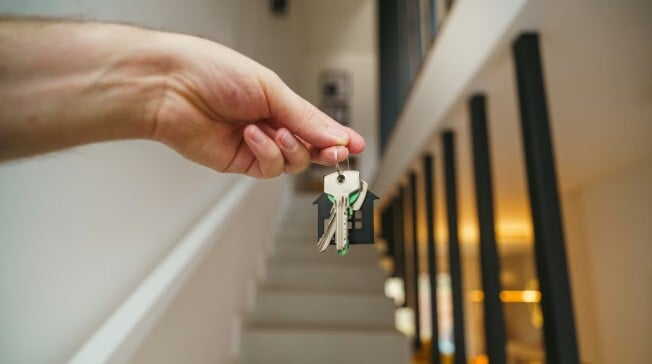
If you’re a Missouri investor or landlord, you should at least be familiar with state landlord-tenant laws in order to operate your rental properly and avoid legal trouble. In this article, we share exactly what a landlord cannot do in Missouri, as well as some safeguards that will protect you and your property!
Disclaimer: The information in this article is for educational purposes only and does not constitute legal advice. Missouri landlord-tenant laws are subject to change and may apply differently based on specific circumstances. For legal guidance on your particular situation, please consult a qualified Missouri attorney.
Summary:
Let the experts handle landlord-tenant communication! Browse turnkey rentals with property management options!

Missouri is largely a landlord-friendly state, but there are certain things Missouri landlords can’t do:
While Missouri doesn’t have rent control laws, there are clear security deposit limits landlords must follow. You cannot charge a tenant (or receive) any security deposit that exceeds two months’ rent.
After a tenancy ends, landlords have 30 days to either return the tenant’s full security deposit or deliver an itemized list of damages to the tenant. If there’s a balance after repair costs have been deducted, the landlord must return it during this timeframe as well.
Landlords cannot neglect repairs that impact the tenant’s right to safe and private housing. Ordinary wear and tear is the landlord’s responsibility, and any habitability-related repairs must be promptly addressed and paid for by the landlord.
Looking for newly-built or renovated turnkey rentals with fewer repair costs?

A landlord cannot shut off a tenant’s water, electricity, or gas for any reason, as this is considered a “self-help” eviction tactic and denies the tenant a safe living environment. Landlords should instead follow the legal eviction process if they wish to have a tenant removed before their lease period ends.
Missouri tenants have the right to know whenever there’s a change in ownership. So, whether you’re buying or selling a rental property, you should provide written notice to any existing tenants as the property changes hands.
In Missouri, you must follow the legal process for evicting tenants. This means landlords cannot “force” tenants out by removing their personal property, changing locks, or using other unlawful methods. Unless a grace period is stated in the lease agreement, the landlord can begin the eviction process once payment is late. For certain lease violations, landlords may be required to serve a 10-day notice to vacate, depending on the lease terms and circumstances.
Get a professionally managed, new-build turnkey rental property for just 5% down!
Missouri tenants have the right to be present at any unit inspections the landlord schedules. Make sure you clearly communicate the date and time of the inspection to your tenant so that they have the option to be present.
There is no Missouri state law requiring a minimum notice period for entry. This means landlords and tenants must follow whatever entry rules are stated in the written lease. In all states, the landlord maintains the right to enter a unit without the tenant’s consent in the case of an emergency.
Proper communication is key to being a good landlord and staying within the bounds of the law. Here are several ways to improve tenant communication:
When creating your lease agreement, consult an experienced property manager or real estate attorney. They can help ensure it’s not only tailored to your preferences but also compliant with Missouri landlord-tenant laws. Don’t attempt to build your own from scratch or rely on the template you found online!
Don’t have the time or bandwidth to give your rental property the attention it needs? Hire a property manager to oversee your rental’s day-to-day, or better yet, buy turnkey. These are new builds and recently renovated properties that come with professional management (and often tenants) already in place.
It’s crucial to document the condition of your property before and after any tenancy. Start by taking photos of the unit’s exterior and interior—including each room, its walls, ceilings, floors, windows, appliances, light fixtures, and more. Then, write notes that provide context or describe things that can’t be captured visually—like the condition of a HVAC system or the functionality of a dishwasher, for example.
All communication with tenants, and especially disputes, should be kept in writing. A thorough paper trail can help strengthen your case when responding to a resident, evicting a tenant, or navigating a lawsuit.
Don’t have the time, experience, or even the desire to find tenants, chase rent payments, or go back and forth with residents? You don’t have to be a hands-on landlord to build wealth with real estate investing. Rent to Retirement has turnkey rental properties for sale across Missouri, and these newly-built or recently-renovated properties often come with management already in place. This means you have a professional taking care of your property when you close!
No, a landlord cannot immediately evict a tenant in Missouri, but they can begin the eviction process after payment is one day late (if no grace period is specified in the lease agreement). For lease violations, the landlord may be required to serve a 10-day notice to vacate.
No, you cannot shut off a tenant’s utilities for any reason, including nonpayment and lease violations. You must go through the legal eviction process to have them lawfully removed from the property.
In Missouri, landlords can charge a maximum of two months’ rent for a security deposit. Deposits must be returned within 30 days after tenancy, unless the landlord provides an itemized list of damages.

South Carolina is one of thebest states to invest in real estate due to its mix ofcash flow and appreciation markets, but whether you’re a small-time...

Owning rental property can be a rewarding investment, but it also comes with its share of risks. This is where landlord insurance becomes crucial....

Do you own or plan to buy real estate in Florida? The Sunshine State is one of thebest places to buy a rental property, but all investors andlandlords